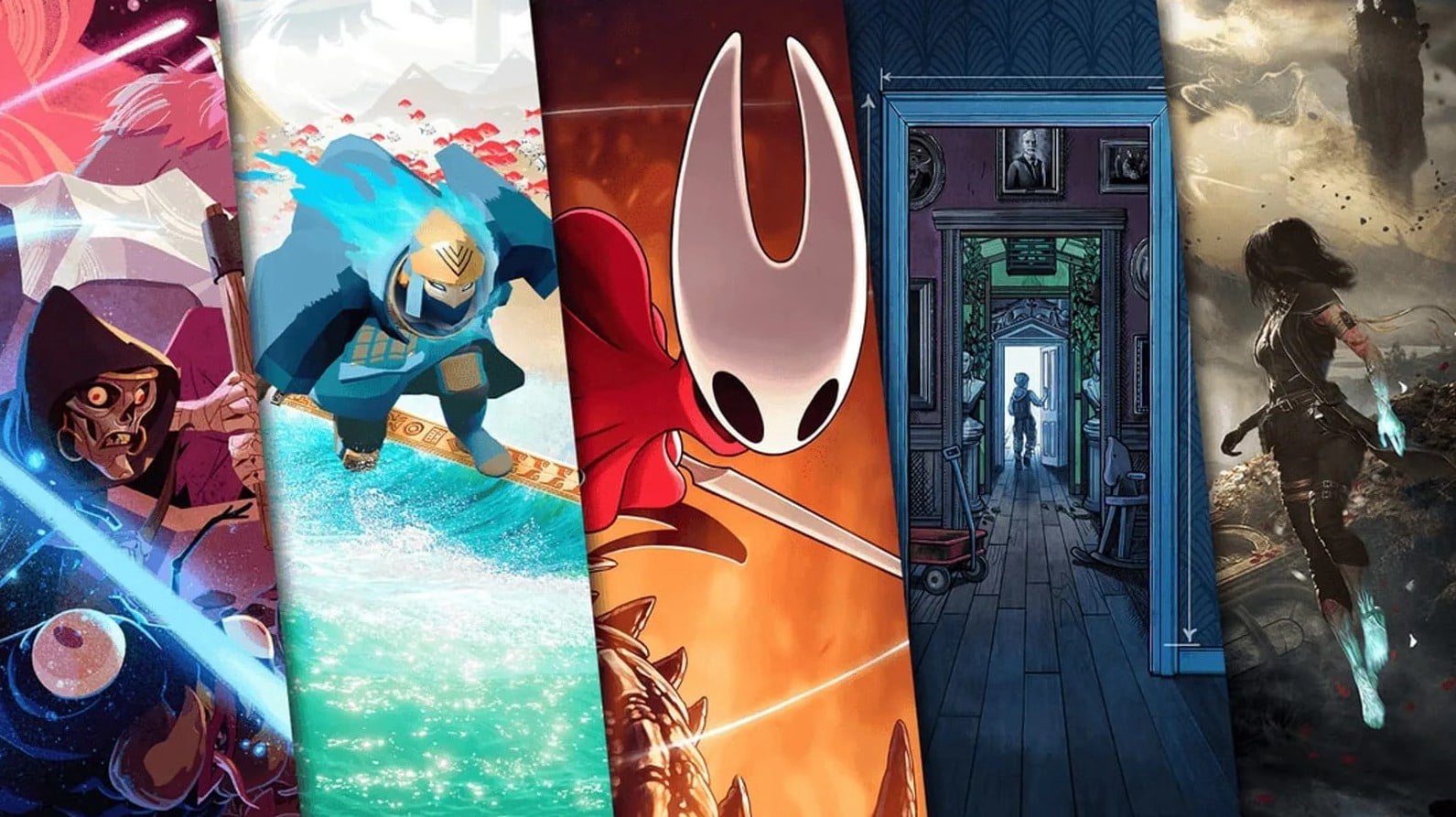
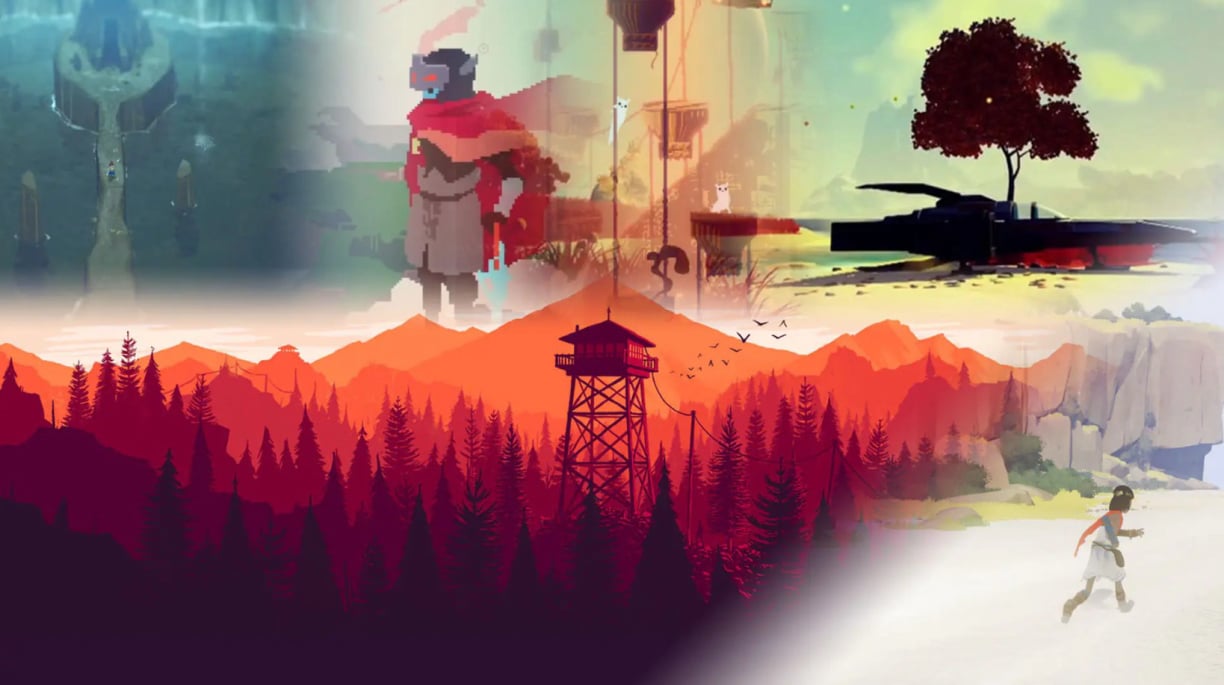
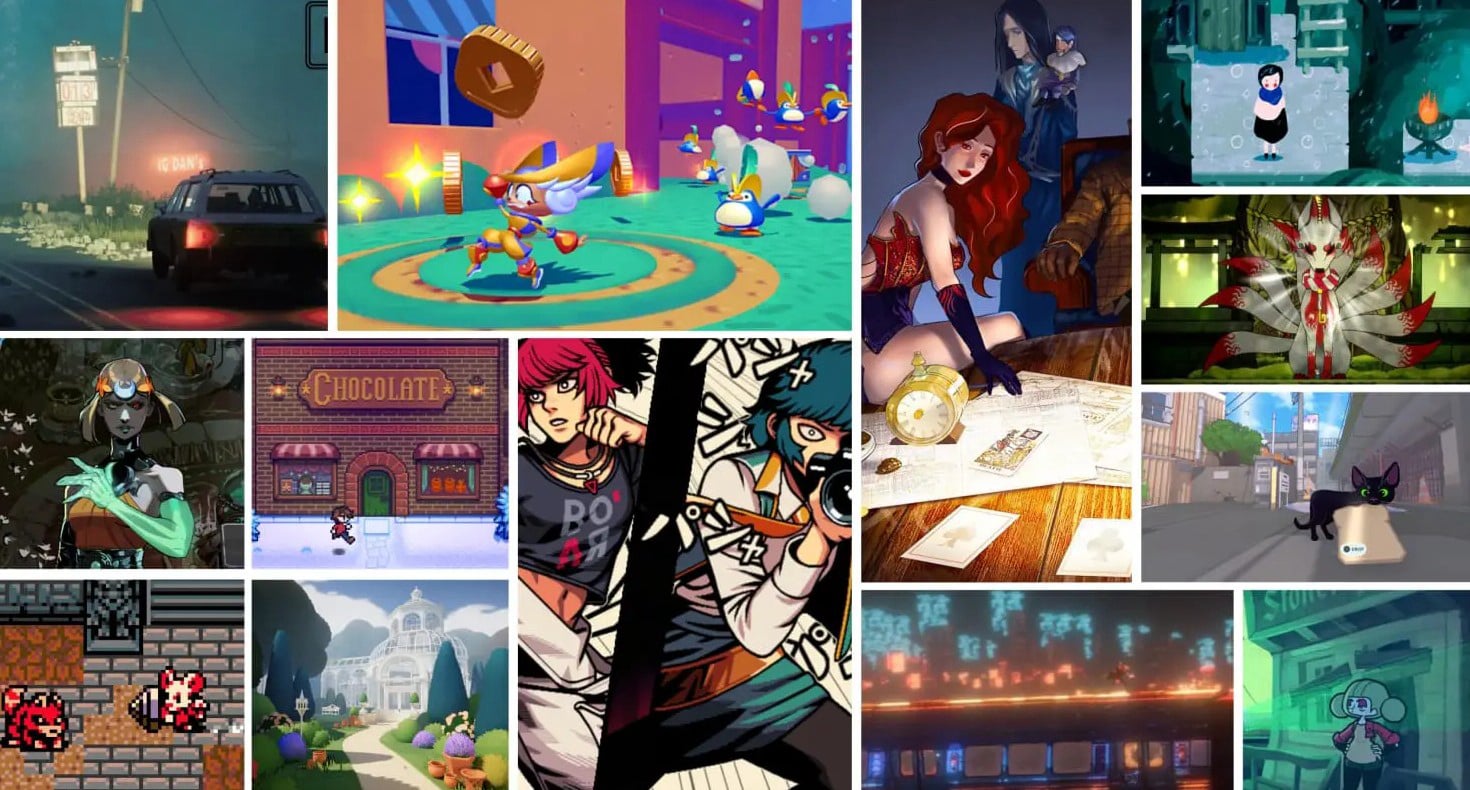
A Brazilian-based blog dedicated to the artists and dreamers shaping the indie games world. We dive deep into unusual gameplay and breathtaking pixel art games.
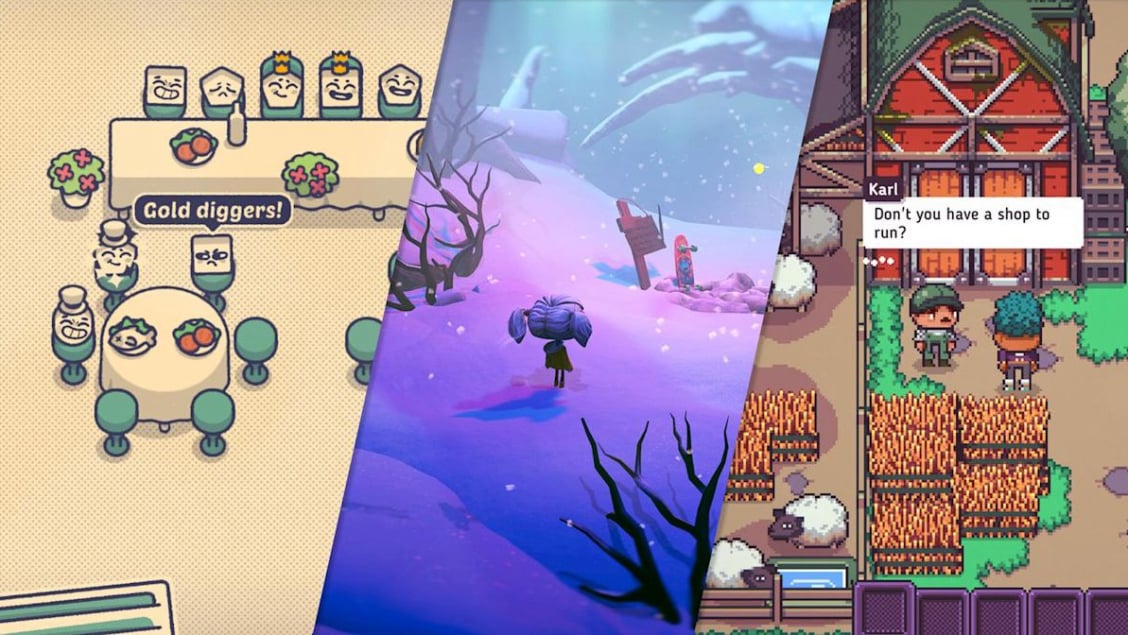
We explore the vibrant universe of indie games that refuse to follow the rules. While mainstream titles chase photorealism, we focus on the creative explosion happening in smaller studios. Every day, we search for projects where unusual gameplay mechanics tell stories that words cannot. From cryptic puzzles to emotional walking simulators, we break down what makes these digital experiments so unforgettable. Our blog is a safe harbor for anyone tired of gray military shooters and annual sports franchises.
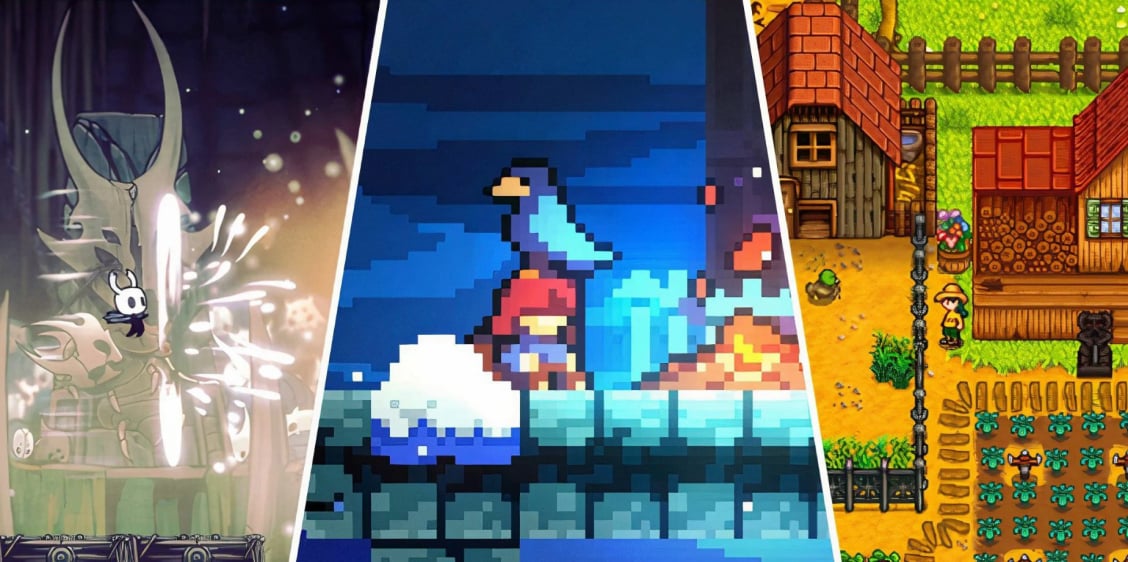
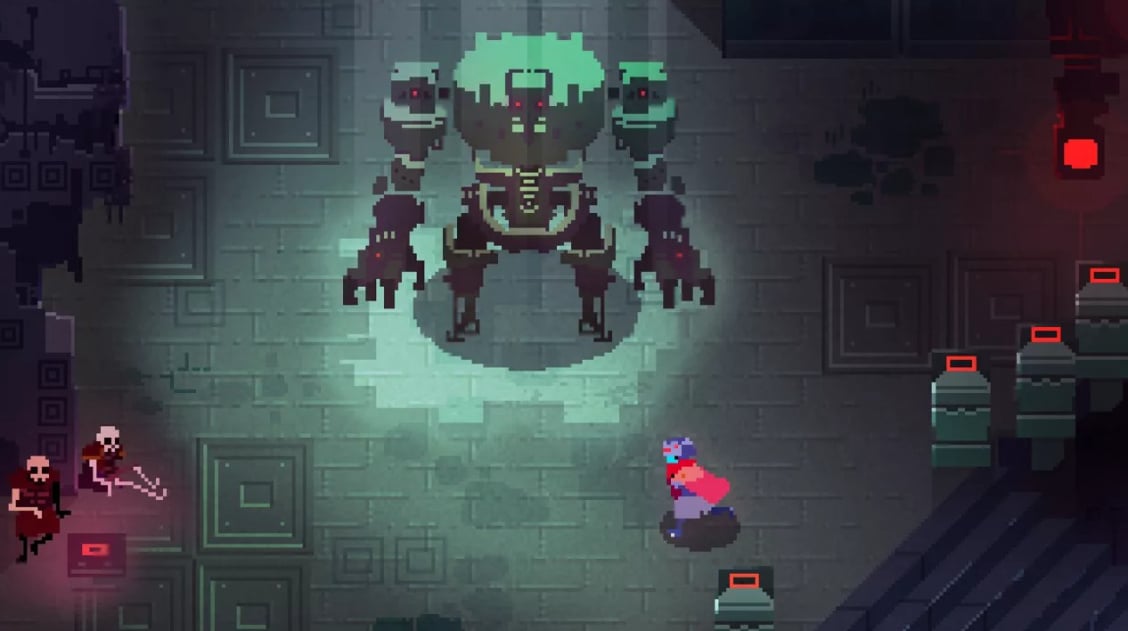
Specifically, we champion pixel art games and experimental games that push the boundaries of the medium. A single pixelated animation can carry more emotion than a Hollywood cutscene, and we prove that every week through detailed reviews and developer spotlights. We also analyze experimental games that use non-violent mechanics, glitch art, or even fake operating systems to create meaning. Whether you are a developer looking for inspiration or a player hunting for your next obsession, we connect you with the heartbeat of true indie games culture.
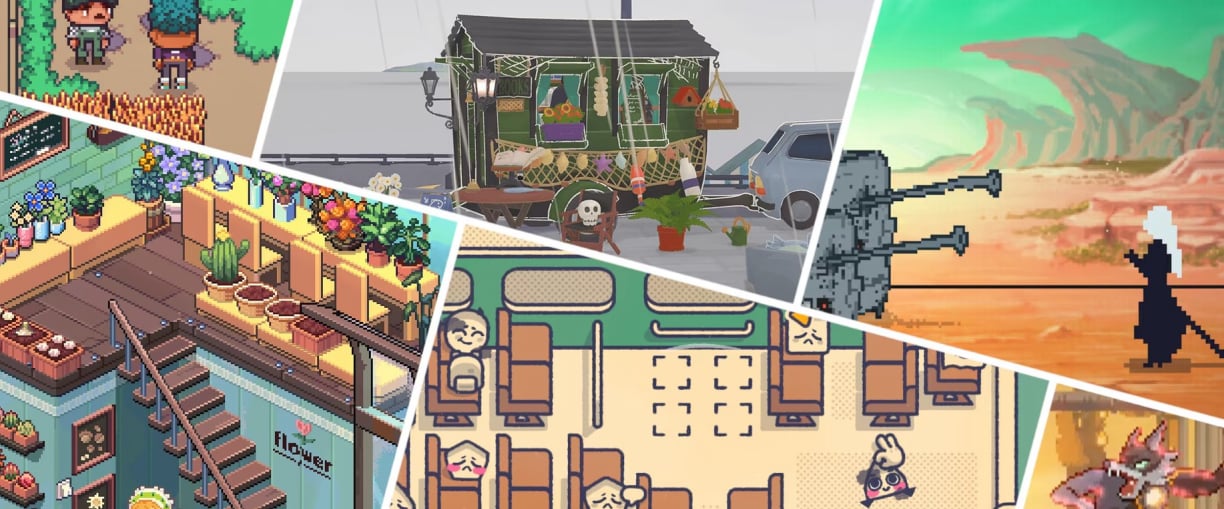
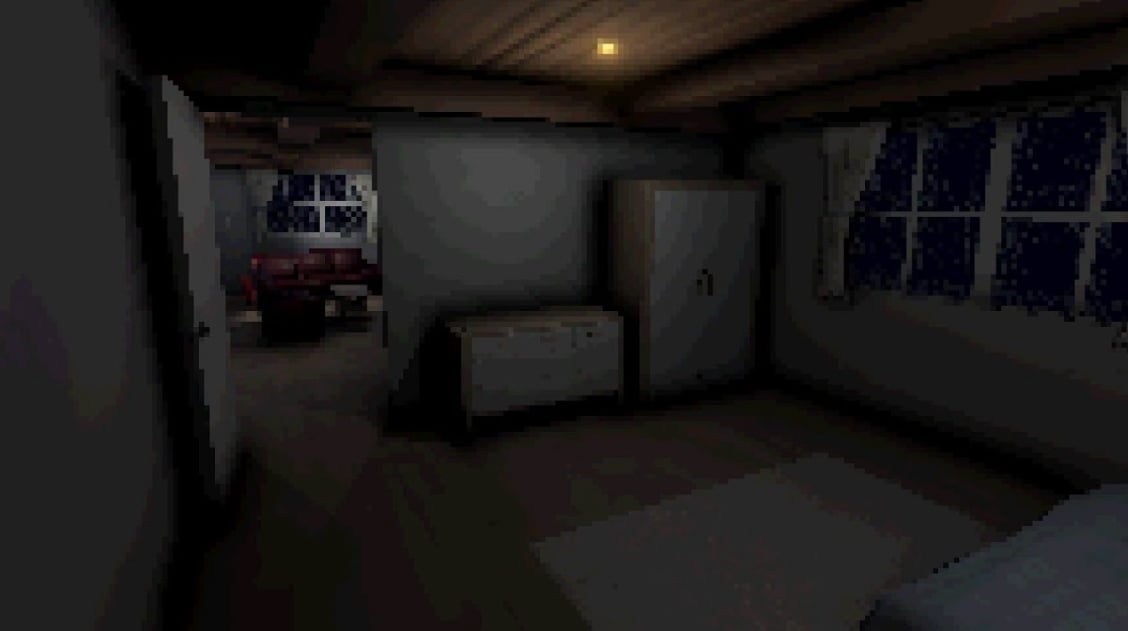
Modern horror relies on jump scares and high-definition gore. But pixel art games are taking back the genre through atmospheric dread and imagination. In this deep dive, we analyze three recent titles where every blocky shadow hides a unique terror. The limitations of pixel art force developers to use sound design and storytelling over visual shock—creating a more lasting fear. Learn why the most frightening moments of 2026 are coming from 16-bit aesthetics and unusual gameplay loops that track your real-world time.
What happens when a game removes jumping, shooting, or even moving? We profile five experimental games built around a single interaction—like holding a breath or arranging inventory items in a specific order. These indie games prove that restricting player choice can actually deepen immersion. We interview the creators about their design philosophies and why breaking standard control schemes leads to emotional breakthroughs. If you think you need complex controls for deep mechanics, this article will change your mind.
As a Brazil-based blog, we take pride in our national scene. This month, we highlight four homegrown experimental games that blend unusual gameplay with our cultural heritage. From a game set inside a failing Samba school’s accounting book to a surreal journey through the Amazon using only audio cues, these indie games deserve global attention. We provide detailed analysis of their visual metaphors and mechanical innovations, proving that pixel art games are just one flavor of our country’s creative explosion.
Why do so many pixel art games use only four colors? We explore the technical and emotional reasons behind restricted palettes. By studying several successful experimental games, we show how a lack of color creates tension, nostalgia, and even physical discomfort in the player. This is not a tutorial—it is a poetic look at how indie games turn technical limitations into artistic weapons. We also list 10 upcoming pixel art games that use monochrome or game boy palettes to tell mature stories about loss and memory.
We want to build the largest Portuguese-English archive of indie games that feel like art installations. Too many great experimental games vanish after one festival appearance because no one writes about them properly. Our goal is to act as a permanent library of reviews, interviews, and mechanical breakdowns for players and students. Every week, we highlight at least one title with unusual gameplay that you cannot find in mainstream storefront recommendations. We believe that pixel art games deserve the same analytical respect as oil paintings or classical music.
Furthermore, we want to connect Brazilian developers with the global community. By writing in English from our Brazilian base, we act as a cultural bridge. Our goal includes hosting monthly online roundtables where creators of experimental games can share their struggles with unusual gameplay implementation. We will never write about charts, sales numbers, or market trends. Our focus remains purely on the visual language and mechanical soul of indie games.
We do not write about every game that launches. Our team filters through hundreds of projects monthly to find only those with a truly unique visual identity. Whether it is pixel art games using dithering in new ways or experimental games employing real-world data as textures, we guarantee that every article introduces you to an aesthetic you have never seen. You will never find a "generic" recommendation here.
Most blogs just describe what happens in a game. We explain how it feels. Our writers have backgrounds in interactive design and fine arts, allowing us to dissect unusual gameplay mechanics with precision. We answer questions like: Why does this control scheme create anxiety? How does the lack of a map affect your memory? We turn player feelings into understandable concepts.
While others call pixel art a "trend" or "nostalgia," we treat it as a living language. Our advantage is our deep archive of reviews specifically for pixel art games, including technical breakdowns of sprite animation, tile design, and color theory. We have partnerships with several pixel artists who share exclusive creation notes with our readers. No other blog covers pixel art games with this level of technical and emotional depth.
We envision a future where indie games are treated as seriously as poetry or avant-garde cinema. Within ten years, we want major art museums to have permanent curators for pixel art games and experimental games. The visual style of a game should be discussed in the same breath as its frame rate or polygon count. Our vision includes a physical gallery space here in Brazil, where visitors can play unusual gameplay titles on old CRT monitors and projectors, surrounded by printed pixel art on the walls.
We also see a global community free from the fear of being "too weird." Many developers hide their experimental games because they worry about negative reviews from traditional outlets. Our vision is a supportive ecosystem where unusual gameplay is celebrated as bravery, not a bug. By maintaining our focus on visual style above all else, we hope to influence a new generation of creators who design first with their eyes and hearts, then with their code. We will keep writing until indie games with broken mechanics and strange colors are the new normal.
Sofia Alves
Editor-in-Chief
Lucas Mendes
Lead Visual Analyst
Tomás Correia
Community Manager
We are not looking for investors or advertisements. We are looking for eyes that crave the strange. If you have ever spent an hour staring at a single screen in one of the experimental games just to see if the clouds move, you are one of us. Join our free newsletter to receive weekly deep dives into pixel art games and unusual gameplay mechanics that will change how you think about interactive art. We do not spam, and we never write about mainstream topics. Only the beautiful, the broken, and the bizarre.
You can also contribute your own reviews or pixel art. We accept guest posts from players and developers who want to share their love for indie games with a specific visual style. Our forums are open for respectful debate about the meaning of experimental games. Together, we will prove that unusual gameplay is not a niche—it is the future of emotional storytelling. Subscribe below to start your journey.
No, but pixel art games are a major focus because of their unique visual limitations. We also cover 3D experimental games, vector art games, and even text-based adventures with unusual typography. The common thread is always a strong, uncommon visual style and unusual gameplay.
Absolutely. We love experimental games that break standard control schemes. Send a press kit or a playable build to info@seaventraa.com. Please note that we prioritize games with a strong visual identity over pure mechanical innovation, but if your unusual gameplay creates a new aesthetic, we are interested.
No, we are a blog and archive. We do not make indie games ourselves. Our role is to write about, analyze, and celebrate the work of developers. We never offer development funding or publishing deals—only honest critique and exposure for experimental games.
Because Brazil has a thriving but overlooked scene of indie games with incredible visual styles. Being here allows us to highlight local pixel art games and experimental games that rarely appear in English-language media. Our location influences our perspective, but we cover global releases.
At least twice per week. Our schedule includes one major analysis of unusual gameplay mechanics every Tuesday, and a smaller "Quick Look" at a bizarre experimental games every Friday. We also publish a monthly roundup of the best pixel art games discovered via our community submissions.